


When people search for thelaptopadviser buyer guides, they are often looking for practical information that can make choosing a laptop easier. With hundreds of models, different processors, storage options, and technical specifications available, finding the right device can quickly become confusing. A good laptop choice depends on understanding personal needs, budget, and the features that actually improve everyday performance.
Resources like TheLaptopAdviser Buyer Guides can help readers explore important laptop buying factors and understand what to consider before making a purchase. Whether someone needs a laptop for studying, professional work, creative projects, or entertainment, having the right knowledge can prevent costly mistakes.
Understanding Your Laptop Needs First
The first step in buying a laptop is identifying how the device will be used. Many buyers make the mistake of focusing only on brand popularity or choosing the most expensive model available. However, a powerful laptop is not always the best option if its features do not match the user’s requirements.
A student may need a lightweight laptop with strong battery life for classes, research, and online learning. A business professional may prioritize durability, comfortable typing, security features, and reliable performance. Meanwhile, a content creator or designer may need better graphics performance, a high-quality display, and more processing power.
TheLaptopAdviser Buyer Guides encourage users to consider their actual needs before comparing specifications. This approach helps buyers focus on value rather than unnecessary features.
Important Laptop Specifications Explained
Understanding laptop specifications is one of the most important parts of making a smart buying decision. Technical terms can seem complicated at first, but they become easier when connected to real-world usage.
The processor, also known as the CPU, affects how quickly a laptop can complete tasks. Modern processors from companies such as Intel and AMD are available in different performance levels. A basic processor can handle browsing, documents, and video calls, while more advanced processors are better suited for demanding workloads such as programming, video editing, and professional applications.
RAM is another important factor. It determines how smoothly a laptop can handle multiple programs at the same time. For example, 8GB of RAM may be enough for everyday activities such as web browsing and office work, while users working with large files, creative software, or heavy multitasking may benefit from 16GB or more.
Storage also plays a major role in laptop performance. Solid-state drives (SSDs) are commonly preferred because they provide faster startup times and quicker access to files compared with traditional hard drives. However, users should consider both storage capacity and speed to ensure the laptop meets their long-term needs.
Choosing Between Different Laptop Types
Different users require different types of laptops. Understanding these differences makes it easier to select the right device.
Students often look for affordable laptops that are easy to carry and provide enough performance for assignments, research, streaming, and communication. A lightweight design and good battery life are usually more valuable than high-end hardware.
Professionals may require laptops that provide dependable performance throughout the workday. Features such as build quality, keyboard comfort, security options, and connectivity can become important factors for business users.
Creative professionals, including photographers, video editors, and graphic designers, generally need stronger hardware. A color-accurate display, powerful processor, dedicated graphics capability, and sufficient RAM can improve productivity and workflow.
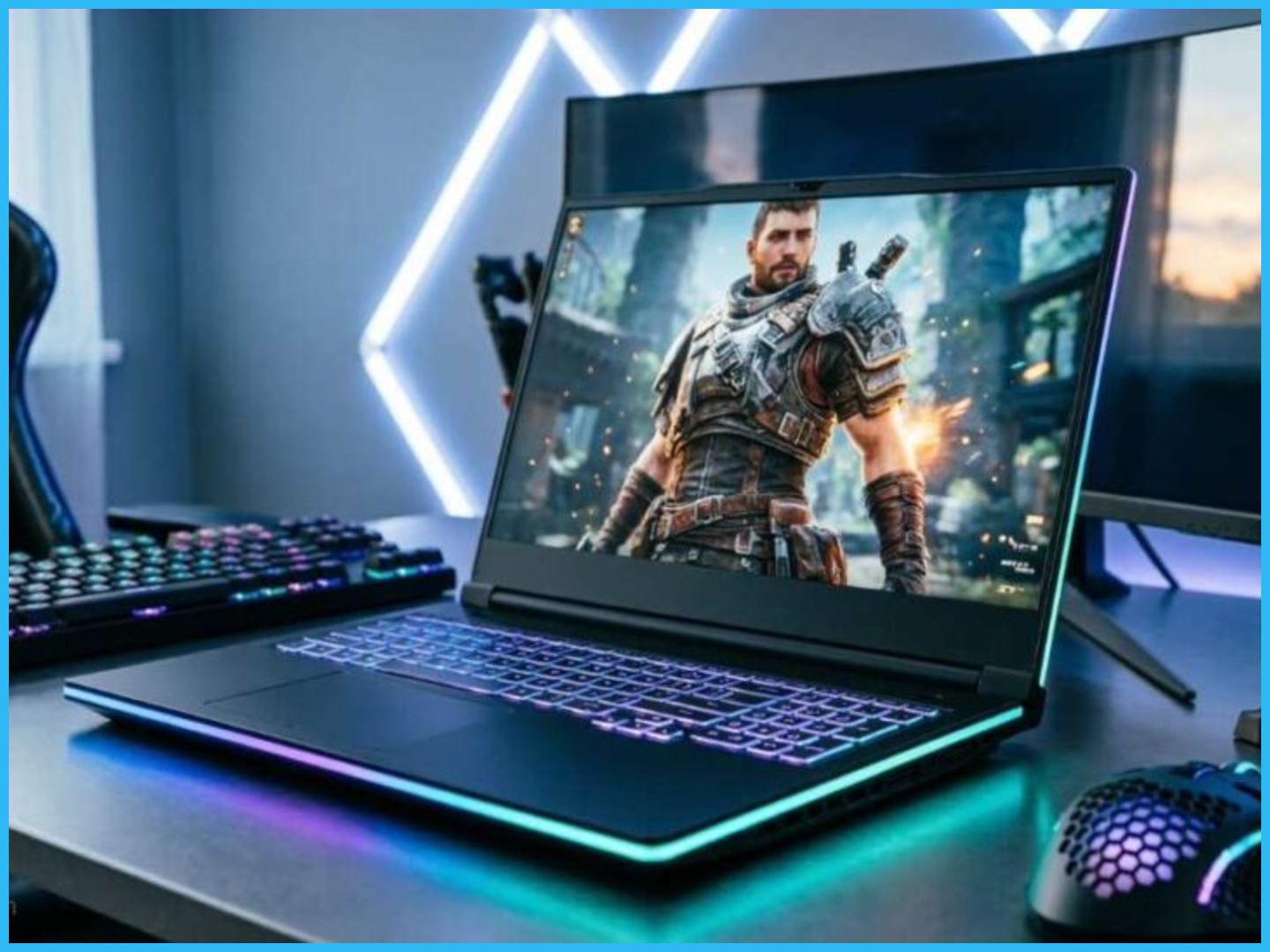
Gamers usually have different priorities. They often look for dedicated graphics cards, high refresh-rate displays, efficient cooling systems, and powerful processors that can handle demanding games.
TheLaptopAdviser Buyer Guides provide a useful starting point for understanding these different requirements and comparing laptops based on specific user categories.
Display, Battery Life, and Portability Matter
Performance is not the only factor that determines a good laptop experience. Many buyers overlook features that affect daily comfort and convenience.
The display quality can significantly impact usability. Some laptops use IPS panels for balanced colors and viewing angles, while premium models may include OLED displays for deeper contrast and richer visuals. The best choice depends on how the laptop will be used.
Battery life is especially important for people who travel frequently or work away from power outlets. A laptop with strong battery performance allows users to stay productive without constantly searching for a charger.
Portability is another consideration. A lightweight laptop may be ideal for students and travelers, while a larger device may provide better cooling, stronger performance, and a bigger screen.
Common Mistakes Laptop Buyers Should Avoid
Many laptop purchasing mistakes happen because buyers focus on one specification instead of looking at the complete picture.
For example, choosing a laptop only because it has a fast processor may not be a good decision if it has poor battery life, limited storage, or an uncomfortable design. Similarly, buying a gaming laptop for simple office work may result in paying more for features that are never used.
A better approach is to compare overall value. Buyers should consider performance, reliability, warranty support, upgrade options, and expected usage over several years.
Why Research Makes a Difference
Technology changes quickly, and new laptop models appear regularly. A device that seems like a great deal today may not provide the same value after newer models are released.
Before purchasing, buyers should compare specifications, read user experiences, check warranty information, and review professional opinions. A reliable laptop comparison guide should focus on practical performance rather than simply promoting popular products.
Using thelaptopadviser buyer guides along with other trustworthy sources can help users develop a clearer understanding of laptop options. The goal should always be finding a device that fits personal needs, budget, and long-term expectations.
Frequently Asked Questions
What are TheLaptopAdviser Buyer Guides?
TheLaptopAdviser Buyer Guides are resources that provide information about laptop features, specifications, and important considerations for people researching laptop purchases.
Are laptop buying guides useful for beginners?
Yes. Buying guides can help beginners understand technical terms and learn which features matter most for their specific situation.
How much RAM does a laptop need?
The required amount of RAM depends on usage. Basic users may be comfortable with 8GB, while professionals, creators, and heavy multitaskers may prefer 16GB or more.
Is SSD storage better than HDD storage?
In most modern laptops, SSD storage provides faster performance, quicker startup times, and improved responsiveness compared with traditional HDD storage.
What is the most important thing when buying a laptop?
The most important factor is choosing a laptop that matches your actual needs. Performance, battery life, display quality, portability, and budget should all be considered together.
read more:Adrian Higham Net Worth
